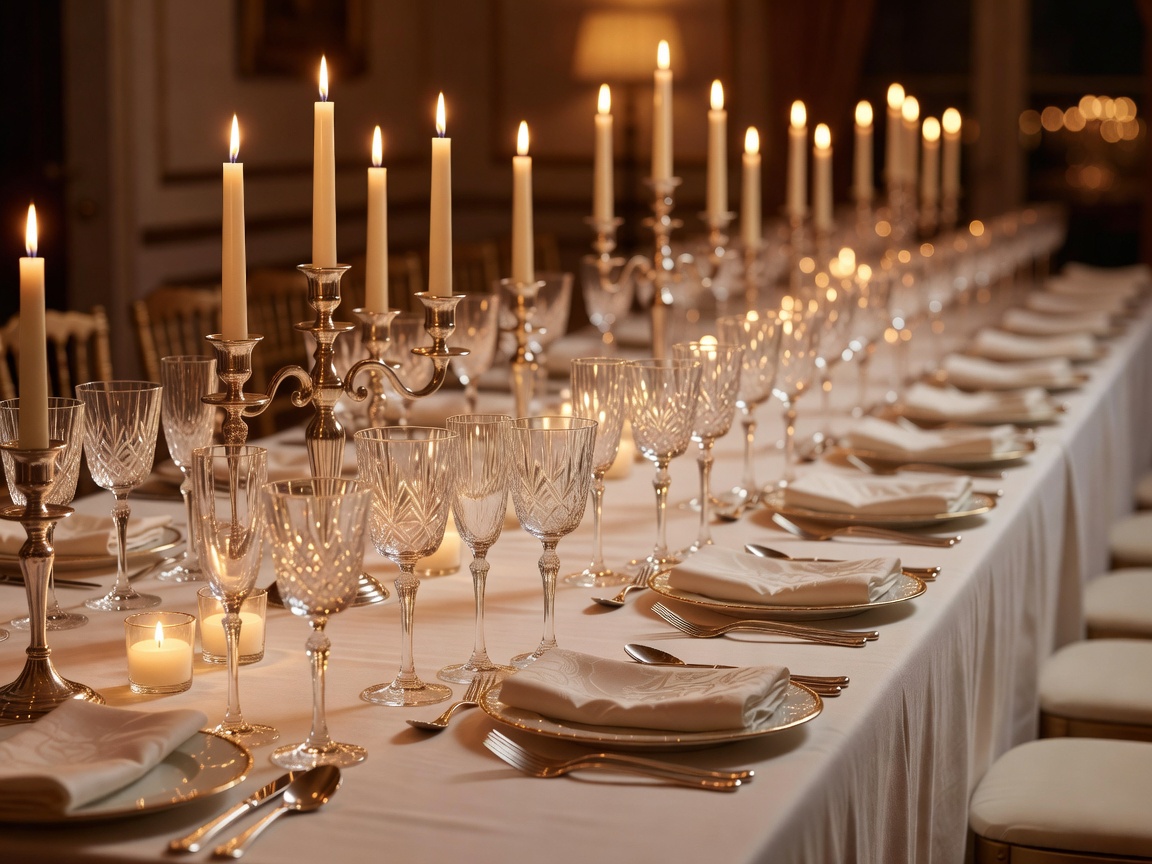
A private dining room can make a celebration feel distinct from a standard dinner out. It gives the group a clear place to gather, keeps a toast from competing with the room next door and can make it easier to bring together different ages and appetites. But a private room isn’t automatically more festive. The most successful choice is the one that feels comfortable for the people attending and makes the practical parts of the evening easy.
Begin with the occasion, not the décor
A birthday dinner might call for a lively room and a relaxed menu; an anniversary may suit quieter lighting and a slower pace. An engagement dinner often brings together guests who don’t know one another, so a table where everyone can join the conversation can matter more than a dramatic setting. Family celebrations may need a balance of seating preferences, accessible routes and menu choices that work for a broad group.
Small wedding-related gatherings can be especially varied: a post-ceremony meal, an intimate family dinner or a gathering before the main celebration. Be clear about what the event involves and what the restaurant is being asked to provide. Don’t assume that a room can be styled, decorated or used for speeches without permission. Ask about policies for flowers, place cards, favours and any personal items you hope to bring.
Choose a table your guests can enjoy
Room shape and seating plan affect the mood. One long table can make a group feel together, but the guests at either end may not share the same conversation. A round or oval table encourages people to see one another, while smaller tables can work for a larger mixed-age group. Ask what arrangement the room can support, whether the furniture can move and how much space remains for service once everyone is seated.
Comfort is a celebration detail, even if it doesn’t appear in the photographs. Check whether chairs are suitable for a longer meal, whether there is a quieter place for a guest who needs a break, and how the route to the room works. If anyone attending has mobility or sensory needs, discuss the practical arrangements with the restaurant rather than relying on assumptions.
Lighting can make a room feel intimate, but it should still let guests read the menu and recognise one another. Music and nearby activity contribute to the atmosphere; they can also affect speeches and conversation. Ask whether the room is entirely separate, whether sound carries and what the venue’s policy is on playing music or using a microphone. It’s better to discover those limits during planning than during the birthday toast.
Menu, cake and the little moments
A set menu can help a celebration run smoothly, while a flexible menu may suit guests with varied tastes. Ask how far ahead the group needs to choose and how allergies or dietary requirements are managed. If there will be children, older guests or people who prefer a lighter meal, explain the mix and ask what format is practical. Confirm what can be adapted instead of promising guests a choice the restaurant hasn’t agreed to provide.
If you want to bring a cake, ask whether the restaurant permits it, whether there are handling or serving arrangements and whether any fee applies. Some venues may have their own dessert options or requirements; policies vary. Confirm the timing for presenting it, especially if the meal has a set sequence. Cake storage, candles, sparklers and outside desserts should never be assumed to be allowed.
Thoughtful table styling can be as simple as a name card or a small floral arrangement. Ask whether the room is already dressed, how early anything can be delivered and what materials are not permitted. A clear, modest plan is usually easier for staff to accommodate than an elaborate setup arriving in several bags ten minutes before dinner.
Timing, deposits and changes
Ask how long the room is available and whether there is a fixed dining window. If speeches or a cake moment are planned, allow time for them without leaving guests waiting between courses. Confirm when the final guest count is due, what happens if numbers change and whether a deposit is refundable. Cancellation, date-change and payment terms vary by venue, so read the written conditions before agreeing.
Consider arrival times and transport. If guests are coming from different places, make the entrance and meeting point clear. For a destination celebration, think about the distance from transport, accessibility and whether people can find the venue easily. Small logistical details can protect the relaxed atmosphere you’re trying to create.
Compare privacy with energy
A fully enclosed room offers a defined space and can help the group focus on one another. It may feel more formal, and a room with a fixed table might not suit every celebration. A semi-private space retains the restaurant’s energy and can be more relaxed, but offers less separation from other diners. A chef’s table brings a shared culinary element, though it may not suit guests who want to make speeches or talk freely. Each format has a purpose; none is automatically the best celebration choice.
Celebration planning checklist
- Does the room suit the group’s size, ages and seating preferences?
- How private is it, and what are the music and noise conditions?
- Can the menu accommodate confirmed dietary needs?
- Are cake, flowers, decorations or personal touches permitted?
- How much time is available for dinner, speeches and dessert?
- What deposits, minimum spend, cancellation and guest-count terms apply?
Good for
Birthdays, anniversaries, engagement dinners, intimate family gatherings and small wedding-related meals. An enclosed room often suits a toast or a close-knit group; a semi-private setting can feel more open and sociable.
What to know
This guide offers general planning considerations, not confirmed information about individual venues. Room availability, menu choices, policies, pricing and capacity vary. Confirm every detail—including cake arrangements, decorations and timing—with the restaurant before inviting guests.