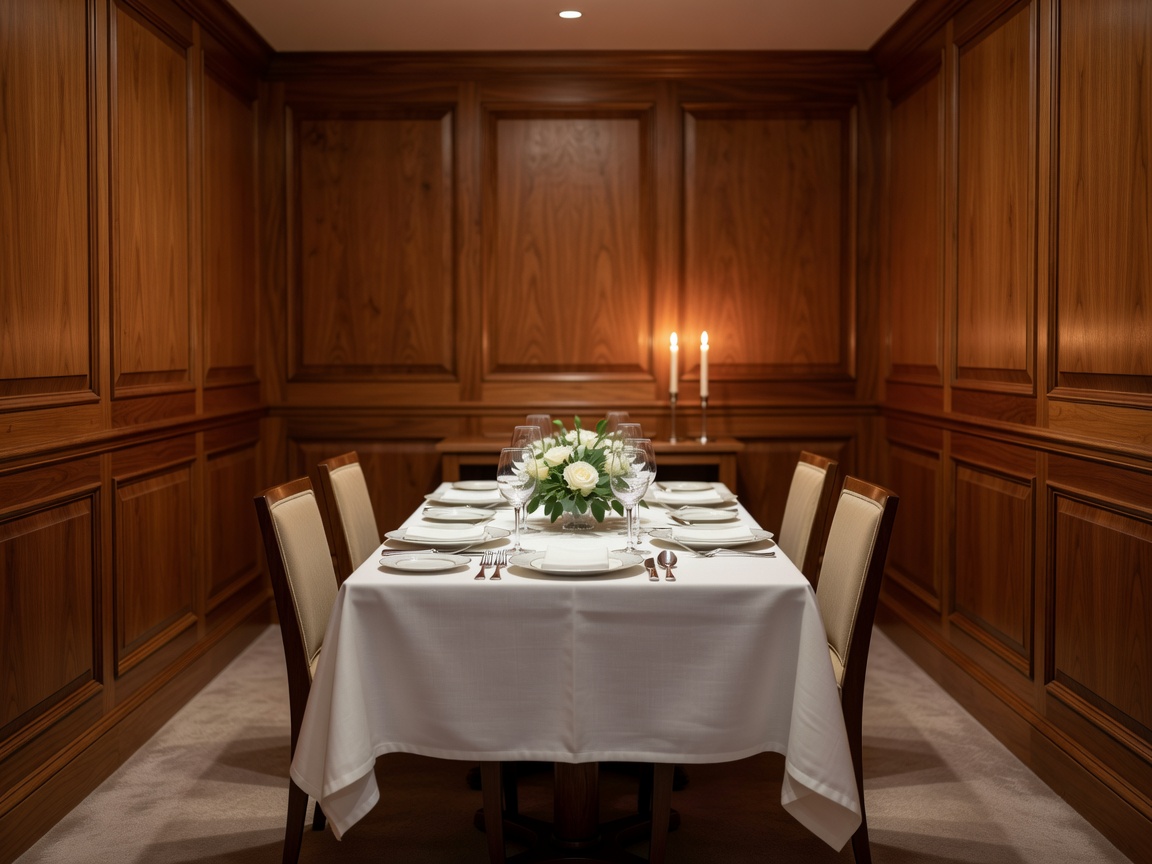
A private room can make a dinner feel wonderfully contained: conversation stays with the group, service can follow a more personal rhythm, and the occasion has a natural centre. It can also be the wrong choice if it feels too formal, is awkward to reach or leaves half the party at the far end of a very long table. The point isn’t privacy for its own sake. It’s a space that suits the way people will gather.
Enclosed room or semi-private space?
A fully enclosed room usually offers the clearest boundary from the main dining room. That can help with family celebrations, discreet conversations or a group that would rather speak at its own volume. Check what “private” means in practice: a closing door, a separate entrance, or a partition that still shares sound and foot traffic. The label alone doesn’t tell you how insulated the room feels.
Semi-private areas sit within, or alongside, the main restaurant. They can retain the hum and energy of service while giving a group some separation. For a lively birthday or a smaller dinner where complete seclusion might feel stiff, that middle ground may be more comfortable. The trade-off is that nearby tables, music and staff movement remain part of the experience.
Make the room work for the group
Ask about the proposed table shape and seating arrangement, not only the maximum guest count. A single long table creates one shared conversation but can make it hard to hear at the ends. A round or oval arrangement encourages a more even exchange, while separate tables can suit a mixed group that naturally divides into smaller conversations. These are preferences, not universal rules; the room’s proportions and the guests’ needs matter.
Comfort is practical. Consider chair support, space to move around seated guests, coat storage, lighting that makes menus easy to read and a route to the room that works for anyone with mobility needs. Ask about step-free access, accessible toilets and any thresholds or narrow passages if those details are important to your party. If you need a display or presentation setup, ask what exists rather than assuming the room is equipped.
Privacy, acoustics and atmosphere
Visual separation isn’t the same as conversational privacy. Hard surfaces can carry voices; music from the main room can leak through a screen; a busy service route may pass close to the table. Ask whether the room has a door, whether it shares walls with the dining room, and whether sound is likely to travel. The restaurant may not promise silence, but a clear answer helps set expectations.
Lighting shapes the room just as much as its furniture. Soft, warm light can make a long dinner feel relaxed; dim light that looks cinematic in photographs can make a menu difficult to read. Ask whether the lighting can be adjusted, and whether the room feels different at lunch than in the evening. Natural light, views, artwork and timber or stone finishes all contribute to atmosphere, but none substitute for comfortable seating and an understandable layout.
Menus, service and room terms
Some restaurants offer a set menu for private groups; others may present a shorter selection or allow choices from the main menu. Service can be course-by-course, more informal or tailored to the room’s pace. Ask when menus need to be chosen, how allergies and dietary requirements are handled, and whether guests can make individual selections. Give accurate details early; the kitchen needs time to confirm what it can accommodate.
Commercial arrangements vary. A restaurant may discuss a minimum spend, a separate room-hire fee, a deposit or a combination. Don’t assume that a minimum spend is the same as a room fee, or that a provisional guest count is the final one. Request the terms in writing, including what happens if numbers change, how service charges are treated and when remaining payment is due. Availability, policies, capacity and pricing vary by restaurant and date.
Comparing the trade-offs
An enclosed room offers stronger separation and a clearer sense of occasion, but it may have a fixed table layout or a higher spend threshold. A semi-private space can feel less formal and keep the restaurant’s energy in the background, but offers less control over sound and passing guests. A chef’s counter is engaging for guests curious about the kitchen, yet it is not a substitute for a conventional room if the priority is confidential conversation. Choose around the evening you want, not around a label that sounds impressive.
Before you enquire
- What does “private” mean for this specific room?
- What table layouts and comfortable group sizes are available?
- Is the route accessible for everyone attending?
- How are menus, allergies and dietary requirements arranged?
- Is there a room fee, minimum spend, deposit or cancellation term?
- When must the guest count and menu choices be confirmed?
Good for
Enclosed rooms often suit milestone dinners, family gatherings, executive meals and groups who value a quieter setting. Semi-private spaces can be a natural fit for sociable celebrations where a little restaurant atmosphere is part of the appeal.
What to know
Descriptions, layouts, capacity, pricing and policies can change. This guide explains what to compare; it does not verify particular rooms or arrange bookings. Confirm current details directly with the restaurant, including whether the space is actually held for your party.