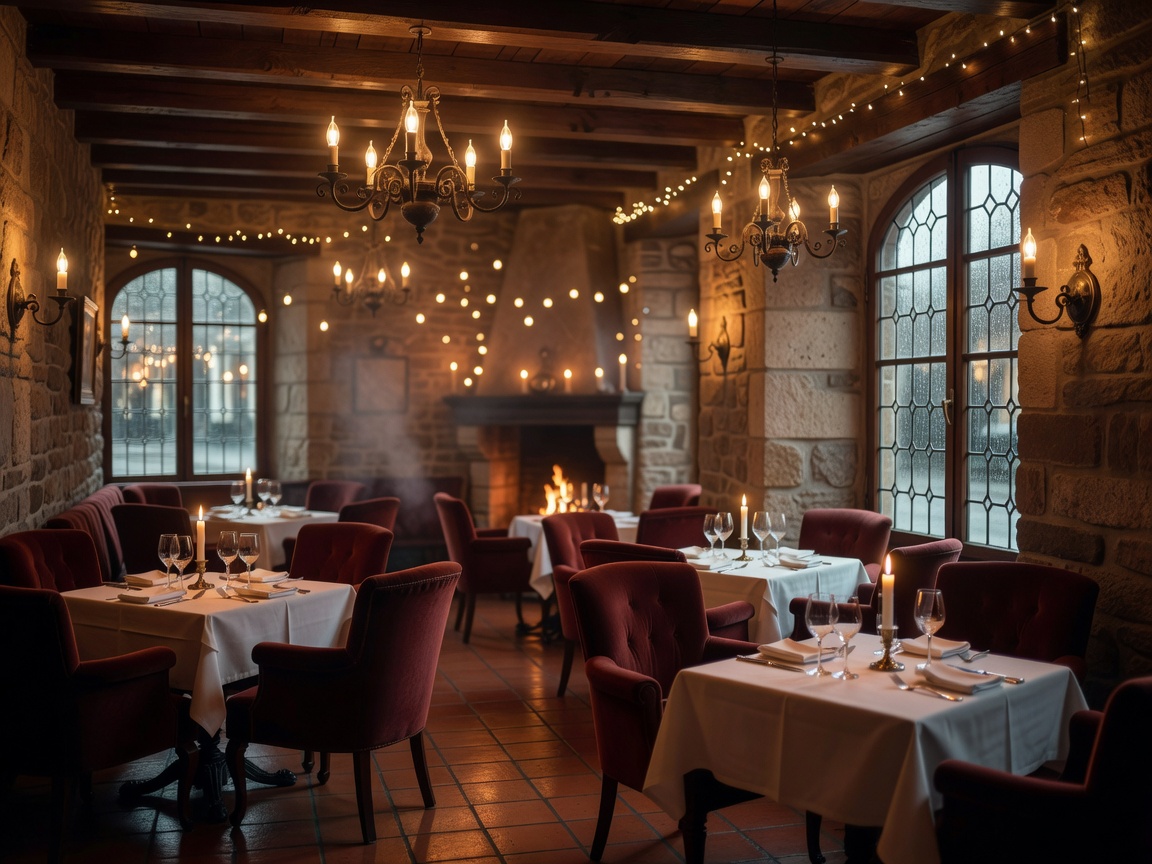
Some trips are planned around a table. Others include a private dinner because a group wants a quieter place to gather after a full day in a new city. Either way, location changes what a good choice looks like. Local food traditions shape menus; the building can influence privacy and room layout; transport and language affect the ease of the evening. The useful question isn’t “Which city is best?” but “What kind of meal fits this place and this group?”
The city notes below are general context only. They do not identify verified restaurant recommendations, confirm private-room availability or describe current menus. Restaurant details change, and a city’s culinary reputation is not proof that a particular venue offers a private space.
A few culinary contexts to explore
Paris and Lyon
Paris offers a wide range of dining traditions, from long-established formal rooms to contemporary kitchens drawing on international influences. In a city with distinct neighbourhoods and varied building types, travel time and the route to a venue can matter as much as the menu. Lyon is often associated with a deep regional food culture and a strong sense of culinary heritage. A group looking for local character may want to ask how a menu reflects the season and region, while remembering that a modern restaurant may tell a different story from a traditional one.
Copenhagen and Stockholm
Nordic dining conversations often touch on seasonality, local produce and restrained design, but individual restaurants vary widely. In Copenhagen, visitors may encounter everything from casual neighbourhood cooking to carefully composed tasting experiences. Stockholm’s dining scene includes both contemporary approaches and a range of international influences. If a group wants a long, chef-led meal, ask about course pacing, dietary flexibility and the expected duration instead of assuming that every tasting format works the same way.
Barcelona and Madrid
Barcelona’s food culture is shaped by Catalan traditions, Mediterranean ingredients and a lively neighbourhood dining scene. Madrid, as a large and varied capital, offers regional Spanish cooking alongside many other styles. A private dinner may be a formal multi-course event, a shared meal or something more relaxed. Clarify whether the group wants a long shared menu, individual ordering or a quieter room for conversation; the culinary setting alone won’t answer that.
Lisbon and Porto
Portugal’s regional cooking, seafood traditions and wine culture may inform a destination meal, while each city has its own pace and geography. In Lisbon, hills and neighbourhood distances can affect access and arrival planning. Porto’s compact centre and river-facing areas bring their own movement and scenery considerations. Ask about step-free access, transport and the route between the entrance and room, especially when guests are unfamiliar with the city.
Rome and Milan
Rome’s food culture carries strong regional associations and a broad spectrum of dining styles. Milan combines Lombard traditions with international business and design influences. A group may prefer a leisurely meal, an executive dinner or a modern tasting menu. Consider the occasion first, then ask how the menu, seating and pace support it. For a work dinner, proximity to accommodation or a meeting location may matter more than an especially elaborate room.
Tokyo and Kyoto
Tokyo contains an exceptional variety of culinary traditions, from neighbourhood specialities to highly focused dining formats. Kyoto is closely associated with seasonal presentation and a rich cultural context, though restaurant experiences vary. Visitors should be clear about language support, dietary communication, seating customs and expected meal length. A private room may follow conventions unfamiliar to guests, so a direct explanation from the restaurant is useful. Never rely on general destination copy to infer a venue’s accessibility or menu flexibility.
Singapore and New York
Singapore’s food culture reflects many communities and culinary influences, with dining styles ranging from informal to highly polished. New York is similarly broad: neighbourhoods, cuisines and room formats can differ dramatically within a short distance. In both cities, location and travel time deserve early attention. Ask whether the group can reach the venue easily, what language support is available and how the restaurant handles dietary requirements for a mixed group.
A simple way to evaluate a destination option
Start with cuisine and menu style. Does the restaurant’s general approach suit the group, or would a simpler format make the evening more enjoyable? Then consider the room: fully enclosed, semi-private, chef-facing or part of the main dining area. Ask how the room is arranged, whether the space is truly reserved for your party and what level of conversation privacy it offers.
Atmosphere is more than interior photographs. Consider the restaurant’s setting, noise, lighting, the time of day and whether the space feels appropriate for the occasion. Then assess accessibility: entrance, stairs, lifts, toilets, seating and the walking distance from drop-off points. Ask about language support for menu explanations and booking terms if guests are travelling internationally.
Location, transport and reservation terms
Map the practical journey without assuming that the most central option is automatically easiest. Check travel time from accommodation or an event, likely traffic, public transport access and how guests will find the entrance. If the party arrives separately, ask how the venue handles staggered arrivals. Confirm any local transport considerations directly through current sources; this editorial guide does not provide real-time travel updates.
When speaking with a restaurant, request current details in writing: room privacy, capacity, menu format, language support, accessibility, deposits, cancellation terms and payment arrangements. Availability, prices, menus and policies change. Do not rely on old articles, archived menus or a city guide as confirmation.
Good for
Visitors planning an intimate dinner during a city stay, hosts arranging a destination celebration, and teams coordinating a meal around a work trip. City context can narrow a search; direct venue questions make the plan real.
What to know before you enquire
- Does the cuisine and meal format suit the group’s occasion?
- Is the private space actually available and reserved for your party?
- How do location, transport and arrival timing affect the plan?
- What accessibility and language support can the venue confirm?
- How are dietary needs, menu changes and payment handled?
- What are the current deposit, cancellation and final-count terms?
This is a general destination overview, not a recommendation or verification of a specific restaurant. We have not confirmed room availability, prices, menus, awards or current operating details. Check them directly with each venue before making plans.