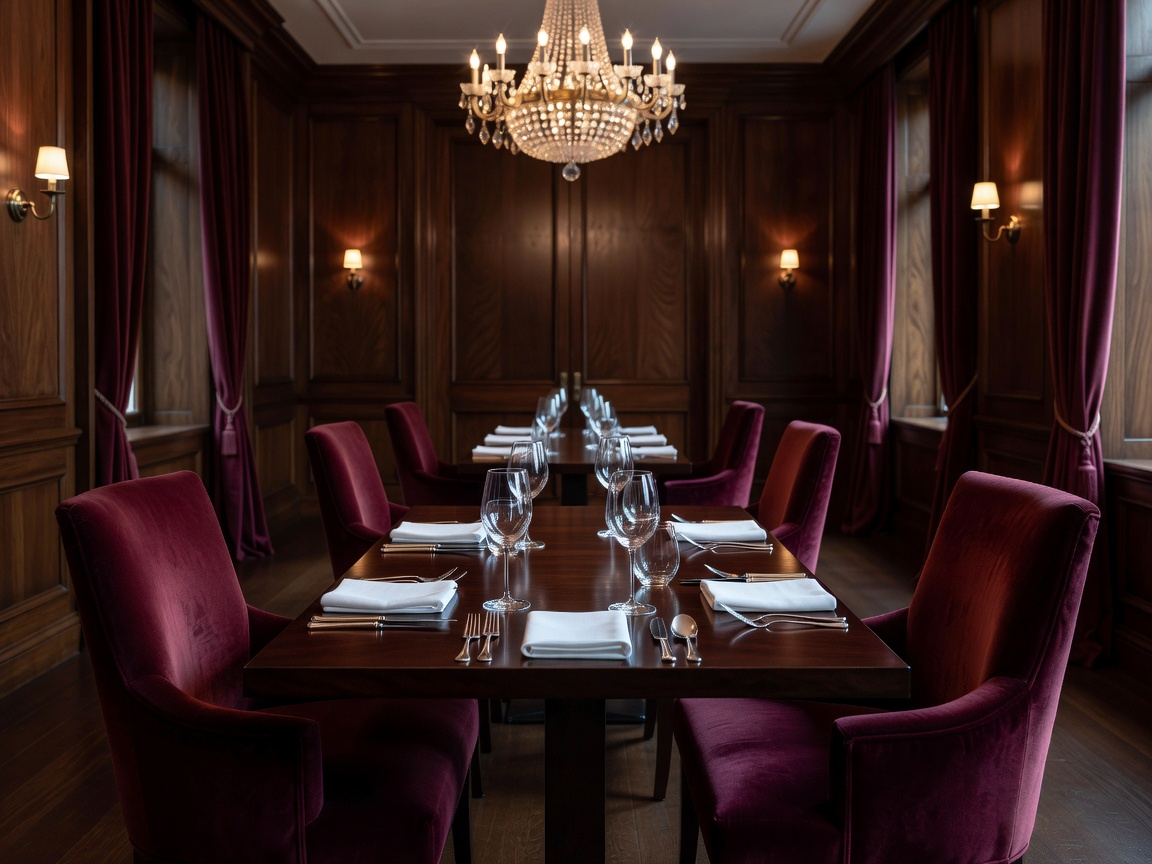
Corporate private dining can mean a client dinner, an executive discussion, a team celebration or a working meal where conversation needs to stay focused. The common thread is coordination: enough privacy to speak comfortably, a menu that doesn’t interrupt every exchange and a clear plan for arrivals, dietary needs and payment. Start with the purpose of the evening. It’s easier to choose a room once you know whether the group needs quiet discussion, a polished welcome or space for a short presentation.
Room or semi-private table?
A fully enclosed room is often worth considering when the conversation is confidential or the group wants a predictable level of separation. Ask whether the room has a closing door, how sound travels and whether staff or other guests pass through. “Private” may mean a dedicated space, but the details can vary. A restaurant can clarify the boundaries; don’t assume that a screen offers the same privacy as a room with a door.
A semi-private area can work well for an informal client meal or a smaller group that enjoys the energy of a restaurant. It may be easier to fit into a relaxed evening, though sound from neighbouring tables can make detailed discussion harder. Think about the people attending, the sensitivity of the conversation and whether a quieter location is essential.
Room setup affects who can engage. A round table encourages a more balanced conversation. A boardroom-style arrangement may suit a presentation but can make dinner feel formal. A long table may work for a larger party, yet guests at opposite ends can struggle to hear each other. Ask what layouts the venue can provide and whether any furniture can be moved. Never assume the room has screens, projectors, microphones, power outlets or reliable connectivity; confirm each requirement directly.
Acoustics and discretion
Visual privacy is only part of the picture. Hard walls and glass can reflect voices, while a nearby service station may add movement and sound. Ask how separated the room is from the main dining area and whether music carries in. If the meeting includes sensitive topics, be direct about the need for conversational privacy. A restaurant can explain the room’s layout, but it should not be expected to guarantee absolute soundproofing unless that is specifically confirmed.
Also consider the welcome. Is there a clear meeting point? Can the host arrive early? Can the restaurant direct guests to the room as they arrive? A simple arrival plan helps avoid one person standing by the entrance checking messages while the rest of the group is already seated. Confirm the venue’s policy for early access, coat storage and late arrivals rather than assuming those arrangements are available.
Menu timing, dietary needs and access
For a business dinner, long pauses can break the conversation; courses that arrive too quickly can do the same. Ask the restaurant how it handles the pace for a group and whether there is a set menu or a choice of dishes. A pre-selected menu may help service run smoothly, but it needs to suit the guests and the purpose of the evening. Check when choices are due and whether the group can make individual selections.
Collect allergies and dietary requirements discreetly and share them with the restaurant in good time. Use precise descriptions and ask the venue to confirm what it can accommodate. If guests are travelling, don’t assume their dietary practices are obvious from a vague note. Consider drinks and non-alcoholic options without making assumptions about what people will choose.
Accessibility is part of good hosting. Ask about step-free routes, accessible toilets, entrance thresholds, seating options and the distance between the entrance and the dining room. If a guest needs a particular arrangement, confirm that it will be available on the date rather than relying on a general statement about the building.
Invoices, payment and terms
Before confirming, ask how payment is handled. The restaurant may offer one bill, individual payments or another arrangement, but policies vary. Confirm whether a deposit is required, how it is paid, when a final guest count is due and how changes are treated. If you need an itemised receipt or invoice, ask what information the venue requires and whether it can provide the document you need. These are practical questions, not afterthoughts.
Some venues may discuss a minimum spend or a room fee. Clarify what each amount covers and whether taxes, service charges or drinks are included. Don’t infer terms from a general website description. Ask for current conditions in writing, including cancellation rules, date changes and any deadline for final menu choices. We do not publish verified rates or business packages, and no pricing should be assumed from this guide.
Finding the right balance
A private room gives the host more control over privacy and group flow, but it can feel overly formal if the gathering is meant to be relaxed. A semi-private space may feel more sociable, but conversation is less contained. A chef’s counter can make a memorable client experience, though it is rarely the natural choice for a confidential discussion. The best format is the one that reflects the brief rather than the most elaborate option on the list.
Corporate dinner enquiry checklist
- What level of privacy does the room offer, including acoustics?
- What seating arrangement is possible, and can it be changed?
- Are presentation equipment, power and connectivity available, if needed?
- Can guests arrive separately, and how will they be welcomed?
- How are menu choices, allergies and non-alcoholic options coordinated?
- What are the accessibility arrangements, payment terms and cancellation policy?
Good for
Client hospitality, executive dinners, small team gatherings and occasions where conversation deserves a quieter setting. A semi-private room can suit informal networking; a more enclosed room may be preferable when discretion is important.
What to know
We don’t verify individual venue facilities, packages or commercial terms. Room options, access, equipment, pricing and availability vary. Confirm every operational detail directly with the restaurant, particularly if the event depends on a specific layout or presentation setup.